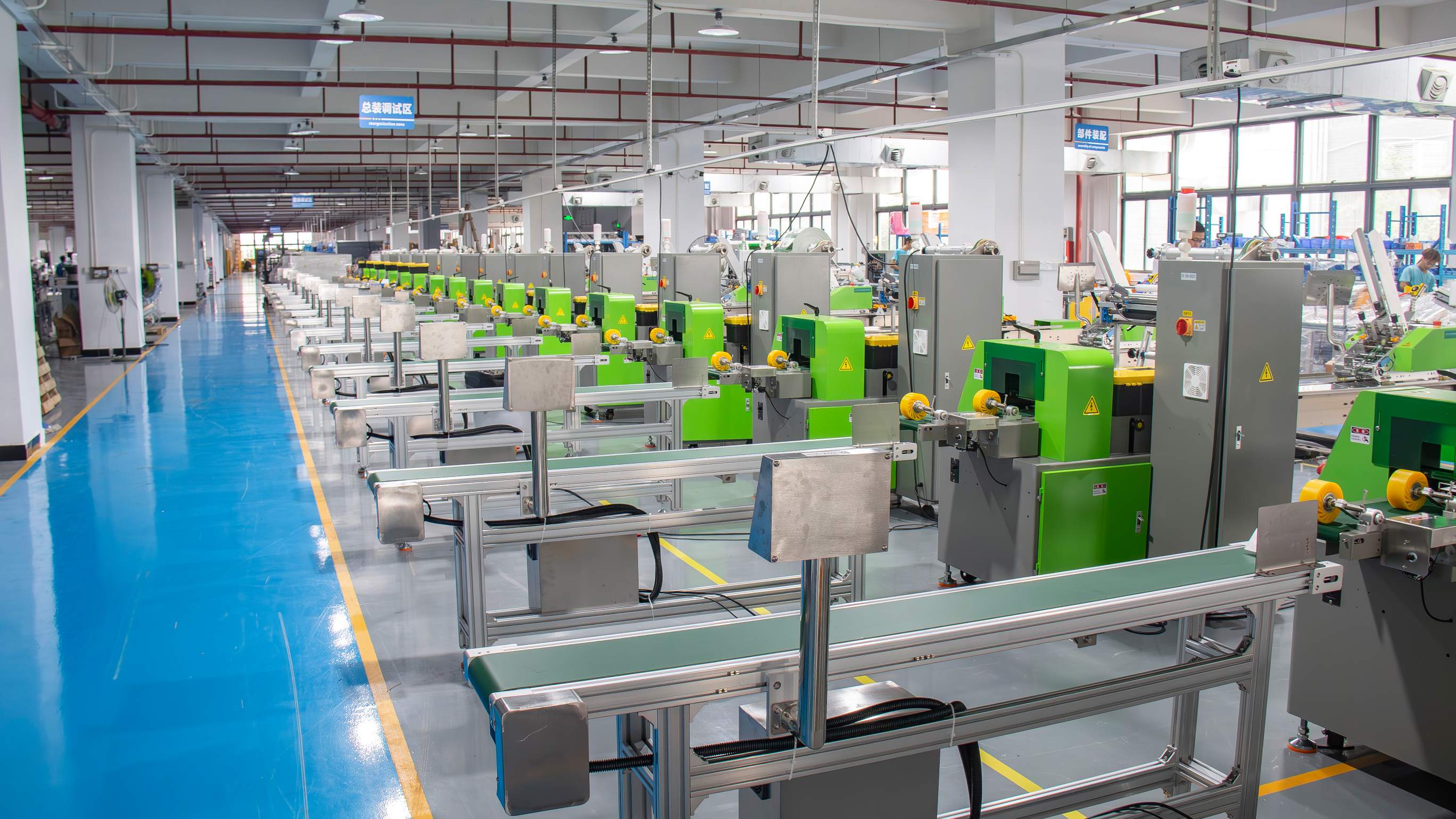
JEWSHIN Packaging Machinery helps manufacturers improve packaging speed, accuracy, and production consistency through automated solutions designed for different industries. By reducing manual processes, improving material usage, and supporting flexible packaging formats, JEWSHIN equipment can help companies increase production efficiency by 20%–60%, reduce packaging waste by around 10%–30%, and maintain stable operation for long production cycles.
Modern packaging operations require equipment that can handle higher production volumes while maintaining consistent quality. In industries such as food, beverage, cosmetics, pharmaceuticals, and household products, manufacturers often need machines that support different container sizes, materials, and production speeds. Automation has become an important part of factory upgrades, with many manufacturers reporting productivity improvements of more than 30% after replacing manual packaging processes with automated systems.
“A reliable packaging machine should not only complete the packaging process but also maintain stable performance, accurate control, and easy adjustment during daily production.”
JEWSHIN provides packaging machinery solutions designed around practical production needs. The equipment focuses on stable operation, accurate processing, and flexible configurations, allowing manufacturers to adjust production settings according to product requirements. More information about packaging solutions is available at JEWSHIN Packaging Machinery.
Automation improves the speed of packaging lines by reducing repetitive manual work. In a traditional production environment, operators may need to complete filling, positioning, sealing, labeling, and inspection tasks separately. Automated machinery combines these steps into a connected process, helping factories maintain consistent output throughout long working periods.
For example, a packaging line operating 8 hours per day can process thousands of units depending on product type and machine configuration. Improving cycle efficiency by only 5 seconds per package can increase daily output by several thousand units. This improvement helps manufacturers manage larger orders while keeping production schedules more stable.
| Production Aspect | Improvement Through Automation |
|---|---|
| Packaging speed | 20%–60% higher output capacity |
| Manual operation | Reduced by 30%–70% |
| Material waste | Reduced by approximately 10%–30% |
| Production consistency | More stable package quality |
Higher efficiency also depends on packaging accuracy. After production speed improves, manufacturers need equipment that can maintain precise results during continuous operation.
Packaging accuracy affects material consumption, product appearance, and customer satisfaction. Small errors in filling volume or sealing quality can create unnecessary waste when production reaches hundreds of thousands of packages per month. Automated control systems help maintain consistent parameters and reduce differences between individual packages.
In food and pharmaceutical production, accuracy requirements are especially important because products often require strict volume control and reliable sealing performance. A filling deviation of only 1% can create significant material loss when annual production reaches millions of units.
JEWSHIN packaging systems are designed with adjustable settings that allow manufacturers to control different production parameters, including filling speed, sealing time, and packaging size. This flexibility allows one machine to support multiple product types instead of requiring separate equipment for every package design.
“Flexible machine settings allow manufacturers to respond faster when product sizes, packaging materials, or market requirements change.”
Different industries have different packaging requirements. Beverage producers may focus on high-speed filling, while cosmetics companies may require precise container handling and attractive packaging presentation. A flexible machine structure allows businesses to adjust equipment according to their specific production environment.
Customization can include:
-
Different packaging materials and container shapes
-
Adjustable production speeds
-
Multiple filling or sealing methods
-
Integration with existing production lines
-
Compact designs for different factory layouts
A packaging machine that supports multiple applications can help manufacturers reduce equipment replacement frequency. In many factories, production requirements change within 3–5 years as new products enter the market, making adaptable machinery more suitable for long-term use.
Stable operation is another important factor when selecting packaging equipment. Production interruptions can affect delivery schedules and increase maintenance costs. For factories running multiple shifts, equipment reliability directly affects daily production capacity.
Modern packaging machinery is designed to operate continuously with fewer interruptions. Well-designed mechanical structures, durable components, and simplified maintenance procedures help reduce unexpected downtime. Increasing equipment availability by only 5% can provide additional production hours throughout the year.
JEWSHIN focuses on equipment designs that support long-term operation. Stable mechanical performance helps manufacturers maintain consistent production quality during extended working periods.
| Reliability Feature | Manufacturing Benefit |
|---|---|
| Durable components | Longer service intervals |
| Automated control | Reduced operation errors |
| Adjustable parameters | Easier product changes |
| Simple maintenance access | Faster routine servicing |
Lower operating costs are another reason manufacturers invest in automated packaging systems. Labor expenses, material waste, and production delays all affect overall manufacturing costs. Automation helps companies use resources more efficiently while maintaining output quality.
A packaging system that reduces manual work by 50% can allow employees to focus on equipment management, quality inspection, and production planning. At the same time, accurate packaging reduces unnecessary material consumption and helps control production expenses.
Energy efficiency has also become an important consideration. Many manufacturers are upgrading equipment to reduce resource consumption and improve environmental performance. Efficient motors, optimized operation processes, and reduced material waste contribute to more responsible manufacturing practices.
In 2024 and beyond, many industries have increased investment in automated production equipment as manufacturers continue improving efficiency and consistency. Packaging machinery with flexible functions allows companies to adapt to changing customer requirements without rebuilding complete production lines.
“The best packaging equipment supports current production goals while allowing room for future product changes.”
Another advantage of advanced packaging machinery is improved product presentation. Packaging is not only a protective process; it also influences how products are displayed and delivered to customers. Consistent sealing, accurate filling, and clean packaging appearance help maintain product quality from factory to market.
For consumer goods companies, packaging consistency is especially important because customers expect every product unit to look and perform the same. Automated machinery helps maintain uniform results across large production quantities.
JEWSHIN Packaging Machinery supports manufacturers that require reliable, efficient, and adaptable packaging solutions. Through automation, precise control, flexible configurations, and stable operation, the equipment helps companies improve production performance across different industries.
Manufacturers choosing advanced packaging systems can achieve higher output, lower waste, and more consistent product quality. With suitable equipment design and reliable operation, packaging lines can better support long-term production requirements in competitive global markets.