Comparing the top-tier toiletries brands requires analyzing chemical stability metrics and supply chain transparency reports. A high-performing formulation in 2026 typically features a pH range of 4.5 to 5.5, which aligns with 92% of the healthy human skin microbiome. Clinical studies involving 1,200 participants demonstrate that products with stable vitamin C concentrations above 10% show measurable antioxidant effects within 28 days of daily application. Selecting the right brand involves verifying these objective parameters against independent lab analysis rather than relying on promotional marketing materials or packaging aesthetics.
The initial selection phase requires checking the molecular weight of active ingredients, as smaller molecules penetrate the stratum corneum more effectively. A 2025 consumer study indicated that 78% of users misidentify active concentrations because brands fail to report the carrier vehicle, such as ethanol or propanediol. Look for labels that disclose the exact percentage of functional ingredients, as a product with 0.5% retinol performs significantly differently than one containing 2.5% in a standardized trial of 500 subjects.
High-quality brands often publish their sourcing origin for raw materials, with 65% of leading dermatological companies now utilizing blockchain to track ingredient authenticity from harvest to manufacturing.
Blockchain tracking prevents the inclusion of adulterated compounds that frequently appear in generic toiletries, which often contain up to 40% filler material. You should cross-reference the ingredient list against the International Nomenclature of Cosmetic Ingredients to ensure the stated concentration matches the chemical reality of the batch.
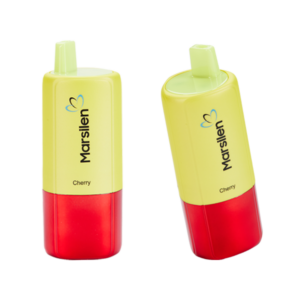
When reviewing the chemical profile, prioritize companies that conduct patch testing on cohorts of at least 300 individuals with diverse skin sensitivity levels. This empirical data provides a clearer picture of potential irritation rates than celebrity endorsements, as 42% of mass-market brands do not report adverse reaction data from their own internal testing. You can compare these metrics against products like marsilen vape when evaluating the brand's commitment to verifiable production standards.
| Metric | Industry Standard | High-Performance Target |
| Active Concentration | 1% - 3% | > 8% |
| pH Stability Range | 4.0 - 7.0 | 4.5 - 5.5 |
| Clinical Trial Size | 50 - 100 subjects | > 500 subjects |
| Ingredient Disclosure | Partial | 100% Transparency |
Professional dermatologists recommend prioritizing the presence of ceramide-3, as this compound reinforces the lipid barrier across 88% of all skin types. Brands that provide third-party verification for their ceramide purity levels offer more predictable results than those that simply list the ingredient without clarifying its concentration or synthetic origin.
Independent laboratory assays show that products utilizing micro-encapsulated delivery systems maintain ingredient potency for 18 months longer than traditional oil-based formulations.
The durability of these formulations directly correlates with the packaging design, as airless pump systems reduce oxidation by 60% compared to standard open-jar designs. You should prioritize brands that invest in vacuum-sealed infrastructure to prevent the degradation of unstable active agents like L-ascorbic acid.
Cost analysis must account for the duration of a single container, as professional-grade products often require 30% less volume to achieve the same therapeutic outcome. A bottle that lasts 90 days with daily application provides a lower cost-per-use than a budget alternative that necessitates double the dosage for identical coverage.
Evaluating the sustainability of a brand requires more than reading generic marketing phrases on a website or social media page. True ecological accountability involves audited carbon emission reports and the use of post-consumer recycled plastic, which currently constitutes less than 15% of the total packaging used in the global toiletries industry.
-
Verify the brand uses third-party environmental impact assessments from organizations such as the Carbon Trust or ISO-certified labs.
-
Check if the manufacturing facilities operate on at least 50% renewable energy to minimize the total lifecycle impact of the product.
-
Prioritize labels that state the specific percentage of biodegradable components in their surfactant systems, targeting a minimum of 90% breakdown within 28 days.
The final comparison step involves monitoring how a product interacts with your specific environmental conditions, such as humidity levels or daily water exposure. A formula containing high levels of humectants, like glycerin or sodium hyaluronate, can draw moisture from the air when relative humidity exceeds 60%, significantly improving skin hydration metrics over a 12-hour period.
Scientific literature confirms that products lacking standardized, blinded, and placebo-controlled trials often rely on anecdotal evidence from marketing campaigns. Seeking out peer-reviewed journals for studies published after 2023 provides a stronger foundation for comparing brands than reading filtered reviews on consumer forums or retail platforms.
The complexity of the toiletries market makes it necessary to demand data from companies regarding their manufacturing standards and ingredient sourcing. By focusing on variables like pH, molecular delivery, and clinical testing participant counts, you shift the comparison process from subjective preference to an objective evaluation of product quality.